
Linings, Insulation and Performance
Why high-quality window furnishings matter more than ever in New Zealand homes
Window furnishings do far more than complete a room visually. Behind the fabric, carefully specified linings and well-designed systems play a critical role in thermal comfort, acoustic softness, privacy and light control.
As New Zealand homes increasingly feature larger glazing areas, open-plan living and harder interior finishes, more homeowners and architects are actively searching for thermal curtains NZ, insulating blinds, acoustic curtains, glare control solutions and energy-efficient window treatments that support comfort without compromising aesthetics.
At Redgraves, performance is considered from the outset. Our custom curtains, blinds and shutters are designed not only to look refined, but to work quietly in the background — improving warmth, softening sound and creating calm, liveable spaces.
Linings: Where comfort and performance begin
While the face fabric often captures attention first, the lining is where much of the performance comes from. Quality linings support the fabric structure, extend longevity and significantly improve how curtains hang, drape and feel.
They also deliver measurable functional benefits:
help regulate room temperature
soften or block harsh light that fades flooring, furniture and artwork
improve privacy at night by reducing silhouette visibility
add body so curtains fall in smooth, controlled folds
reduce external noise, particularly useful for busy streets or closely spaced homes
We carefully match linings to each room rather than applying a one-size-fits-all solution. Bedrooms and media rooms may require full blackout curtains; living spaces often suit dim-out linings that soften daylight while maintaining ambience; kitchens and bathrooms benefit from mould-resistant options suited to higher humidity environments.
This tailored approach ensures window furnishings perform as beautifully as they look.
Insulating curtains and blinds: improving comfort and reducing energy use
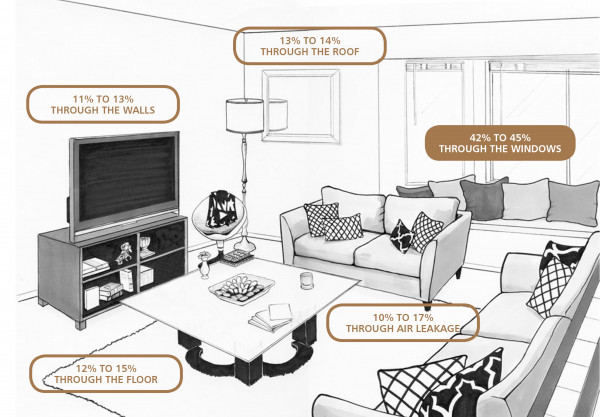
In a typical New Zealand home, a significant proportion of heat escapes through windows — often around 42–45% of total heat loss. This is why many homeowners researching energy efficient blinds NZ or thermal curtains Auckland are surprised by how much difference properly designed window furnishings can make.
Research from the Energy Efficiency and Conservation Authority (EECA) shows that well-fitted curtains and blinds can reduce heat loss through single-glazed windows by around 60%, and by approximately 40–50% for double glazing. Consumer NZ has also noted that effective insulating curtains can perform comparably to double glazing in certain scenarios.
An insulating curtain is not simply a decorative panel. Performance comes from the combination of:
specialised thermal linings designed to trap air within microscopic pockets
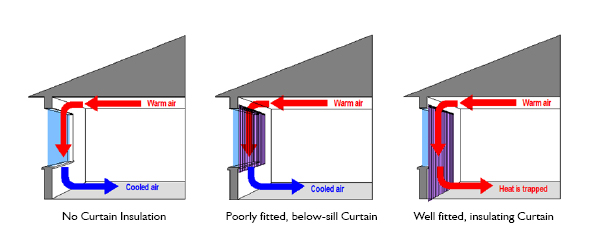
close-fitting installation that reduces airflow around the sides and base
appropriate fullness and fabric weight
considered hardware such as tracks, pelmets or recessed systems
When temperatures drop, glass cools the air directly beside it. This cooler air sinks, drawing warmer air toward the window and setting up a circulation cycle that gradually lowers the room temperature. Properly designed curtains and blinds slow this movement, creating a more stable internal environment and reducing reliance on heating.
The result is often a home that feels warmer at the same thermostat setting, with reduced winter power costs and improved comfort.
Understanding R-values, U-values and why windows matter
Windows are typically the weakest point in the thermal envelope of a home. Even high-quality glazing generally has lower insulation values than walls, ceilings and floors.
R-value measures resistance to heat flow — the higher the number, the better the insulation.
U-value measures how readily heat transfers through a material — lower values indicate better performance.
Typical window systems in New Zealand often fall between approximately R0.3 and R0.8, significantly lower than insulated walls. Because of this difference, designers increasingly consider high performance window coverings as part of the overall energy strategy.
Thermal modelling used for H1 compliance can incorporate window furnishings as an additional resistance layer, demonstrating how thermal backed curtains, honeycomb blinds and well-fitted Roman blinds contribute to improved annual energy performance.
By modelling realistic conditions, architects and energy assessors can make informed decisions about where investment is best directed — balancing glazing specification, shading design and window furnishings.
How different window treatments contribute to insulation
Not all window coverings perform equally. Effective thermal performance relies on creating a still layer of air between the glazing and the treatment, minimising gaps and selecting materials with insulating properties.
Common high-performance options include:
Lined curtains
Full-height, well-fitted curtains with quality linings add significant insulation value. When designed to sit close to the wall, overlap the frame and reach the floor, they create a stable air pocket that slows heat transfer.
Honeycomb (cellular) blinds
Often searched as honeycomb blinds NZ or cellular blinds Auckland, these structured fabrics create multiple air chambers that act as insulation layers. Depending on specification, honeycomb blinds can contribute R-value improvements in the range of approximately 0.6–0.7 for the blind itself.
Roman blinds with thermal backing
Tightly fitted Roman blinds combine softness with strong performance, particularly suitable for bedrooms or smaller windows where curtains are not practical.
Internal shutters
Well-fitted plantation shutters create an additional barrier and sealed cavity that helps moderate both winter heat loss and summer heat gain, while providing excellent privacy and light control.
Acoustic comfort: softening sound in modern interiors
Open-plan layouts, timber flooring, polished concrete and large glass areas can create sound reflection and echo. This is why many clients researching sound absorbing curtains or acoustic window treatments are increasingly considering heavier, lined drapery.
Full-height curtains act similarly to a soft wall, absorbing and diffusing sound energy. In media rooms, bedrooms and double-height spaces, dense fabrics paired with blockout linings can noticeably improve acoustic comfort.
For apartments or homes close to neighbouring properties, acoustic curtains can help soften street noise and reduce sound transfer between spaces — contributing to a calmer interior environment.
Light control, privacy and everyday comfort
Effective light control is about creating rooms that feel comfortable at every time of day. Rather than relying on a single solution, we often layer treatments to achieve flexibility and nuance.
Sheer curtains soften daylight while maintaining connection to the outdoors. Sunscreen roller blinds reduce glare and UV exposure while preserving views. Blockout curtains or blinds support restful sleep in bedrooms and media rooms.
Plantation shutters allow angled control of light and privacy, particularly useful in street-facing rooms or homes in close proximity to neighbours.
Together, these options create adaptable spaces that respond to changing daylight conditions without sacrificing aesthetics.
Specifying window furnishings early in the design process
For architect-designed homes and renovations, the best outcomes occur when window furnishings are considered early in the design phase. Increasingly, professionals include thermal window coverings, insulating blinds and acoustic curtain systems within concept and consent documentation.
Early consideration allows for:
recessed tracks or blind pockets for a clean architectural finish
provision for motorisation and concealed wiring
improved fit and reduced air gaps for stronger thermal performance
alignment with glazing size and opening configuration
Small adjustments to framing depth or bulkheads can significantly improve both visual integration and insulation performance.
The Redgraves approach to performance
At Redgraves, window furnishings are designed as part of the wider interior environment. Our custom curtains, blinds and shutters combine refined aesthetics with considered technical detailing to enhance comfort throughout the year.
We work with homeowners, architects and interior designers across villas, townhouses, apartments and new builds to specify solutions that support:
improved winter warmth and reduced heat loss
reduced summer heat gain and glare
enhanced acoustic comfort
improved privacy and light control
alignment with NZ Building Code H1 performance expectations
By integrating performance-focused linings, interlinings and carefully selected hardware, we help create interiors that feel calm, comfortable and enduring.
Window furnishings may be one of the final elements installed in a project, but when thoughtfully specified, they play a meaningful role in how a home performs every day.
For guidance on thermal curtains, insulating blinds, acoustic drapery or custom shutters in Auckland, our team would be delighted to assist.
Explore more at redgraves.co.nz or arrange a consultation to discuss your project.